About the project
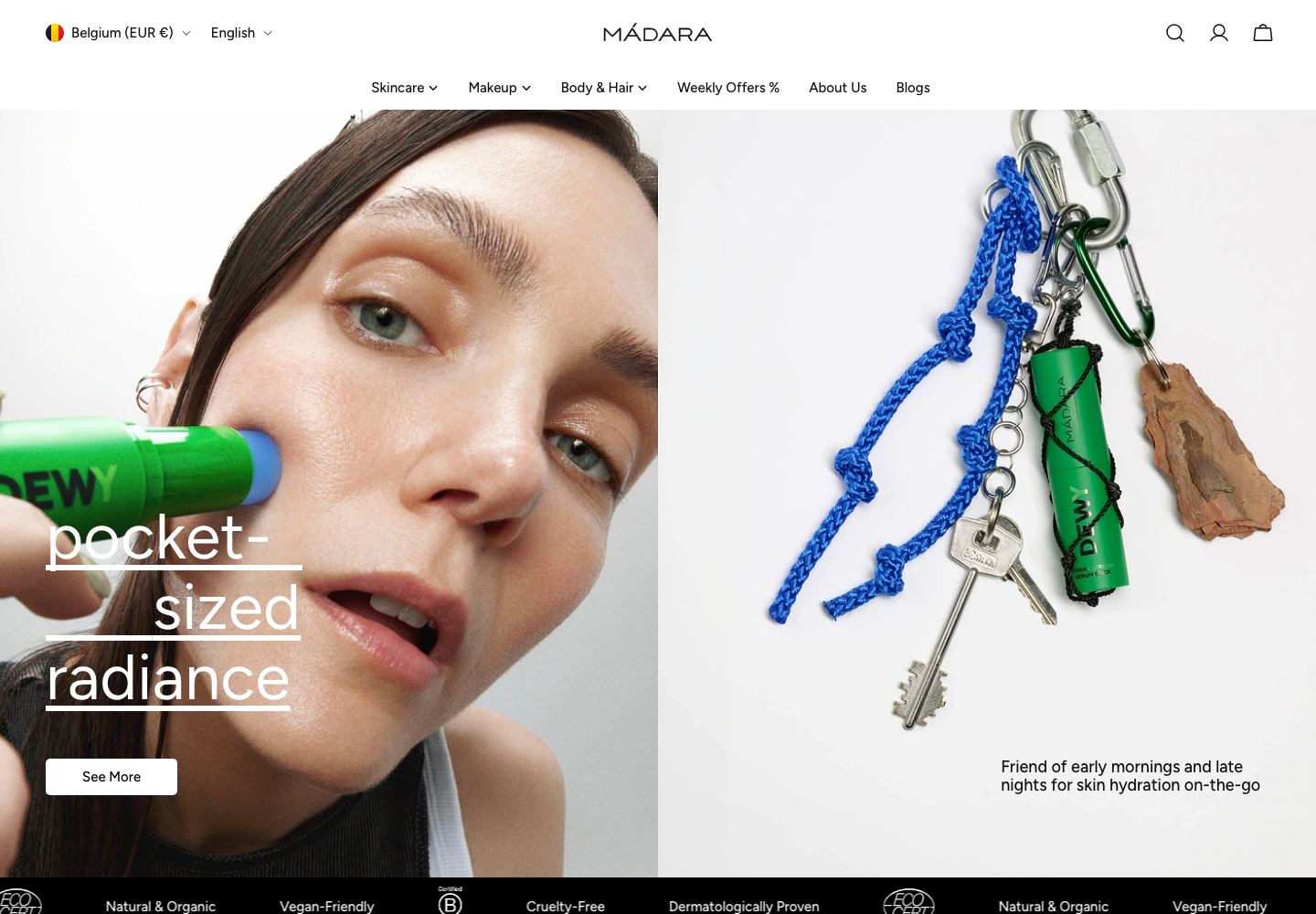
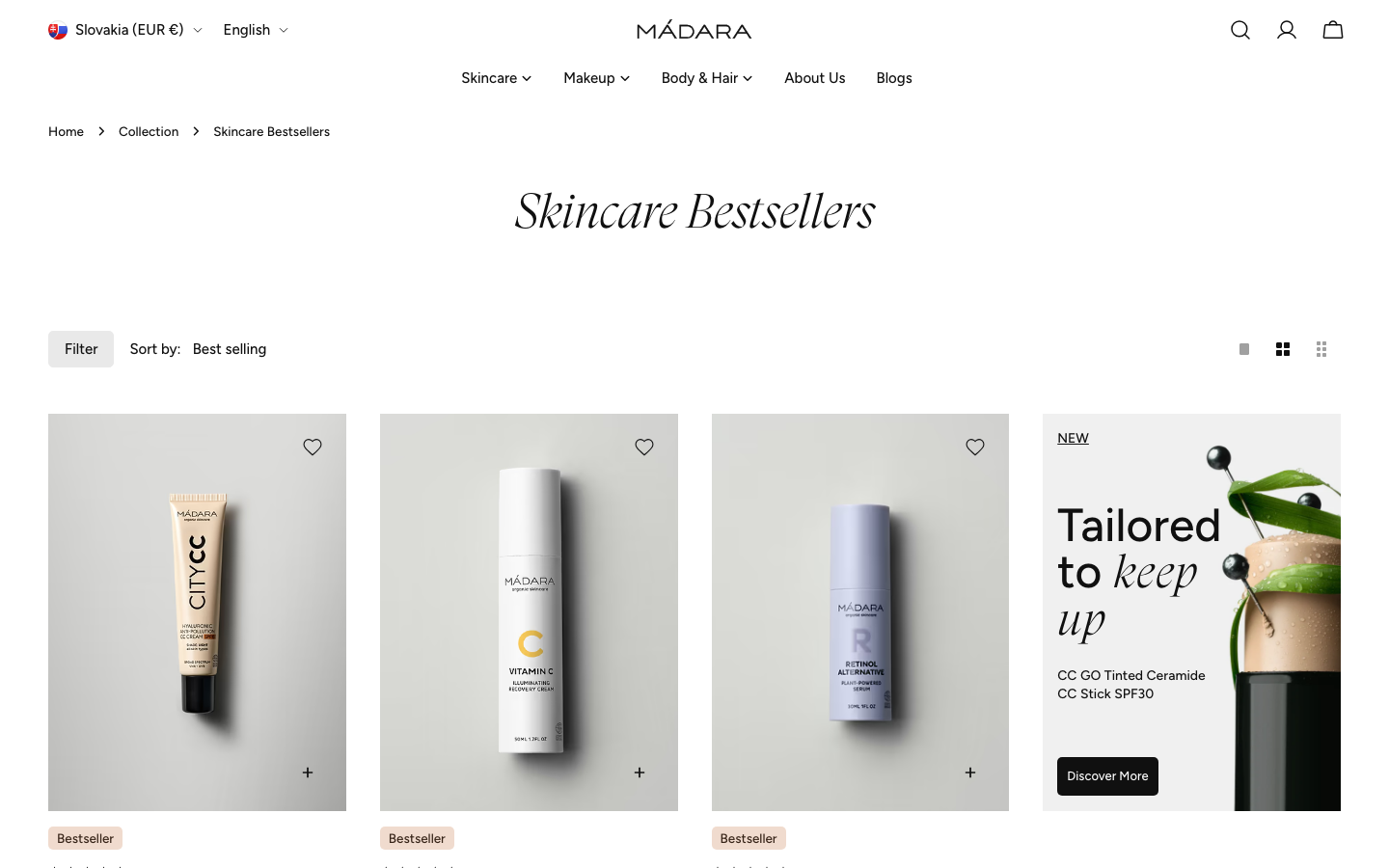
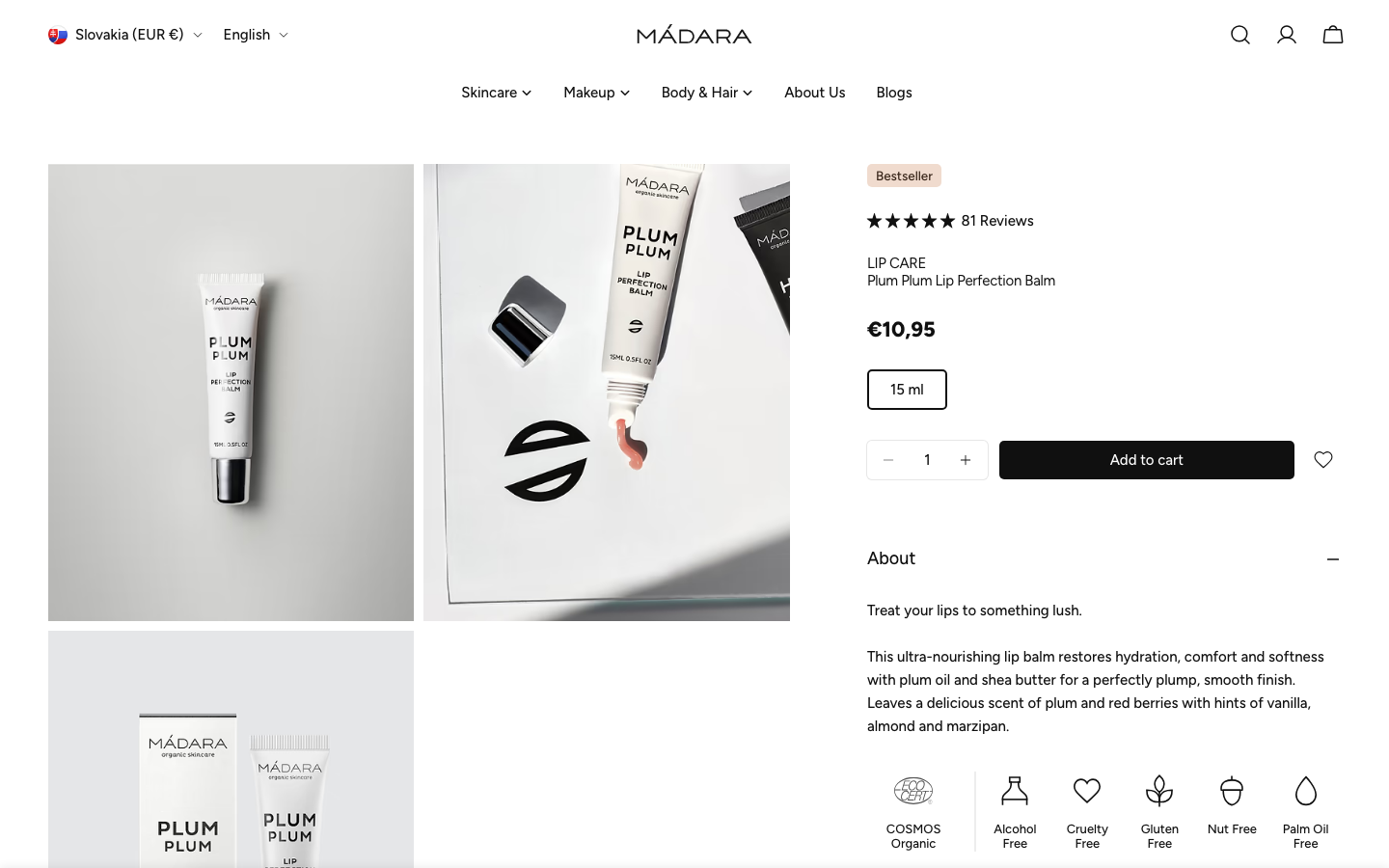
I lead web development at MADARA Cosmetics, a Nasdaq-listed natural skincare brand with over 20 million euro in annual revenue. The store I am responsible for serves 13 markets in 9 languages and 5 currencies, alongside separate B2B and HORECA stores, and being publicly listed puts the compliance side on me too: annual security and technical audits, and the monthly and quarterly financial reporting I build and maintain.
I joined in 2023, and at first the whole web operation was outsourced. My first wins were small, I wrote the SQL reports nobody else could, then took on more of the technical and automation work until I owned the Shopify migration end to end. Today I run a team of three, the in-house unit the rest of the company routes its technical and ecommerce work through, and I still architect and build the behind-the-scenes systems myself.
The approach
Magento was the problem. We rented it from an agency for tens of thousands a month and still waited dozens of hours for small changes, with some stretching into months. The expensive part was not the invoice, it was staying dependent and stuck on a platform we did not control.
The objection to leaving was risk, too much data and too many markets to move safely. I made the case that staying was the bigger risk, brought a Shopify migration to our stakeholders at the end of 2024, and got it approved. I spent early 2025 on the architecture and the plan, chose Shopify Plus with a Liquid storefront and Next.js with TypeScript for everything around it, and hired two developers to build it with me.
What I led and built
Through the migration my job was to own and direct it, not write every line. My backend developer built the migration tooling, so every product, variant, customer and order came across from Magento into Shopify with full history intact and the catalog rebuilt on metaobjects. I ran the cutover, so we moved all 13 markets in waves from August to October 2025 with effectively zero downtime, then shut Magento down for good. Gift cards were the part I was proudest to solve, because the two platforms work completely differently, and we mapped every existing card across so it kept working exactly as customers expected.
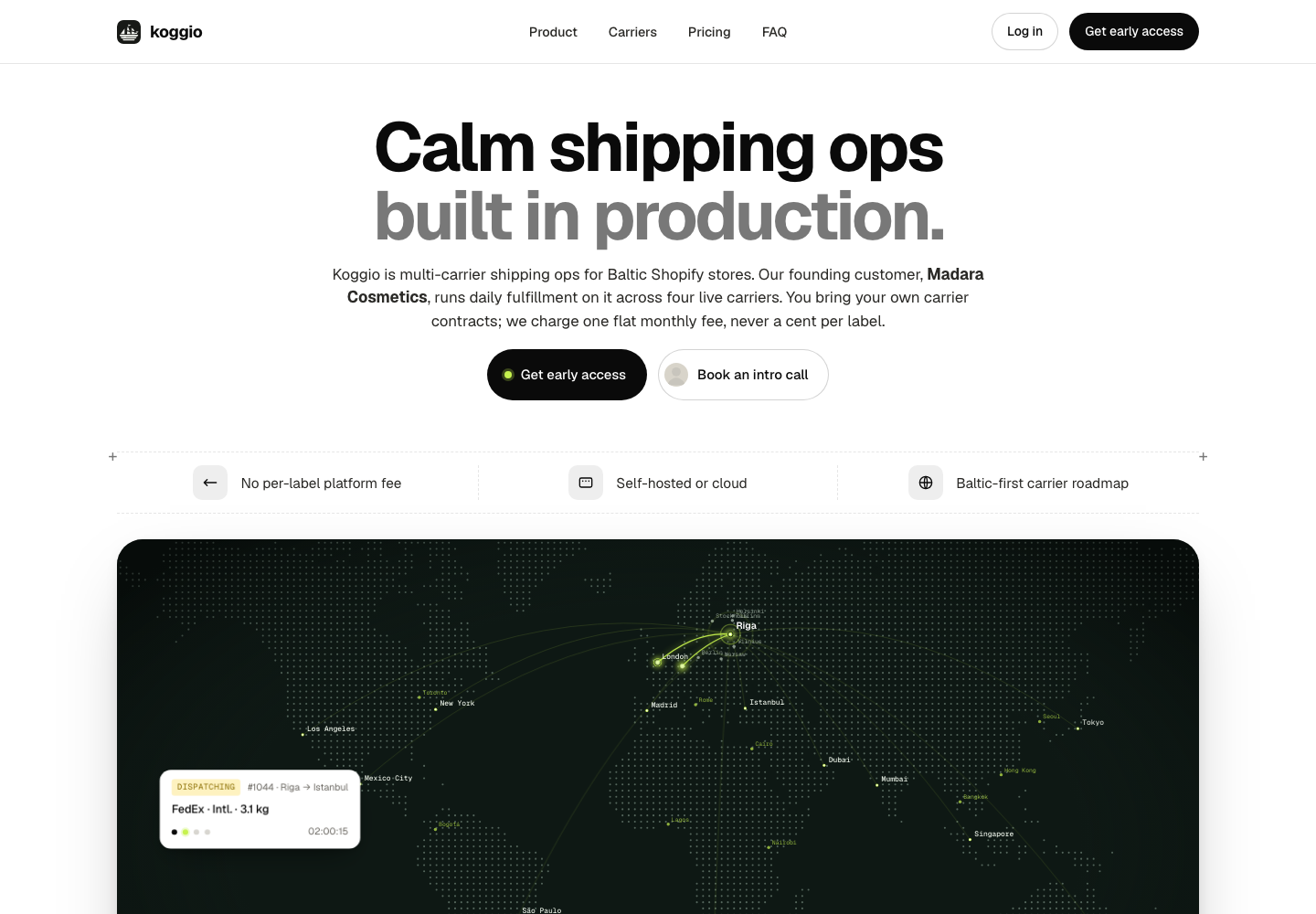
With the store live, I decided what we should stop renting and start owning. The agency went, and so did apps like Swotzy and Tolstoy, and we replaced a third-party warehouse scanner with our own system that prints shipping labels, scans orders and walks staff through packing. The automation is the part I build most hands-on: I write the financial, warehouse and operational reports that used to cost hours every week, so they now run themselves on our own servers, and I automated new product entry and translations through Localize.

Where it stands now
Rented, the old setup cost tens of thousands a month and turned small changes into dozens of hours. Owned, it costs tens of thousands a month less, ships faster across the board from product entry to shipping, and answers to us instead of an outside queue. The reports I started with on day one now run on their own.
I keep building on it. I am expanding the automation across product listing, localization, pricing, and financial and logistics reporting, extending internal tools like the warehouse scanner and a logistics shipment manager and tracker, and planning a storefront rebuild on a clean default Shopify theme so it stays fast and simple to maintain. The platform is no longer something we rent and wait on, it is something I run and keep improving.